Our
Business

Discover our job

Winemaking 

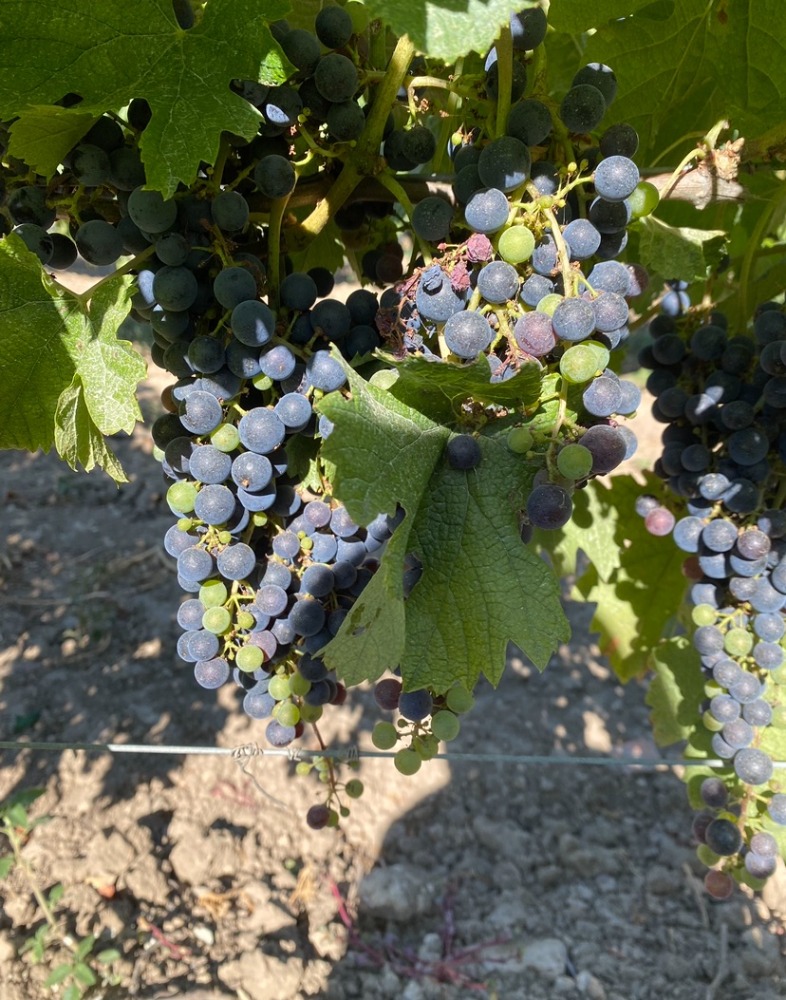
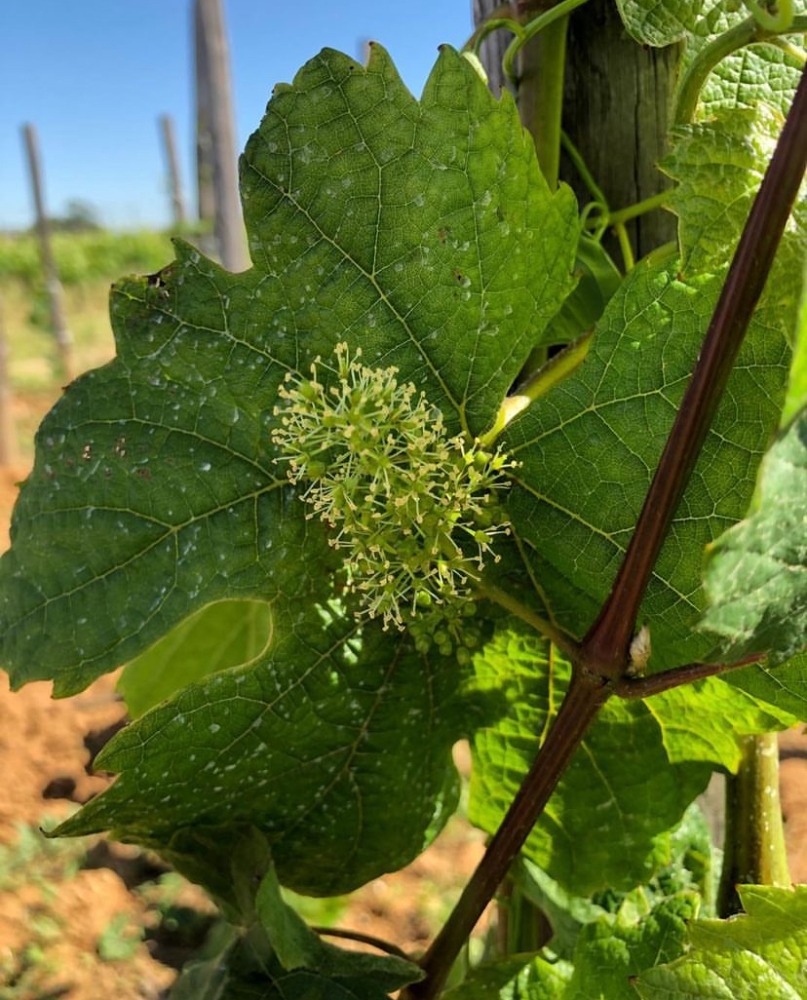
A good wine is developed thanks to a good grape. Thus, we have set up a support for the vineyard, so that the partner winegrowers can optimize the quality of their work, while limiting the use of inputs, and the passage of heavy machines that leads to the asphyxiation of the surface layer of the ground.

Organic farming is restrictive, but the idea is to gradually bring the vine to a form of autonomy by putting it in conditions allowing the stimulation of its natural defenses, while adapting to the violent climate change that we undergo.

The maturation is then controlled day after day, in order to define together the optimal date for harvest, depending on the maturity of the grapes, and on the whims of the weather.

The selection
of grapes


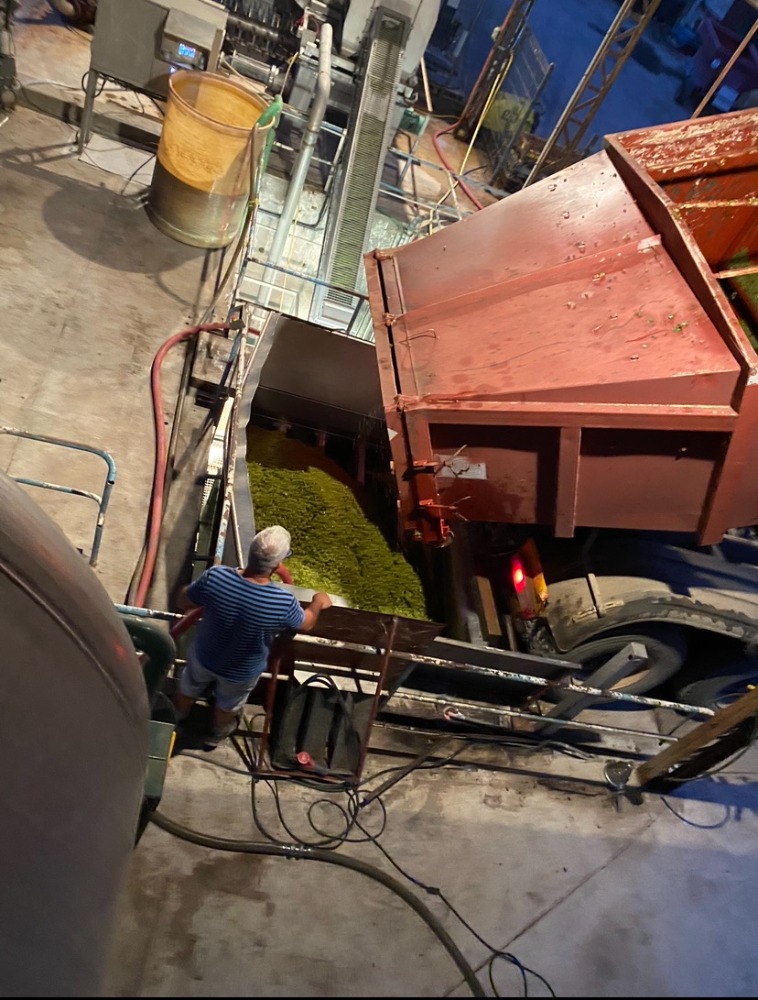
The time of the harvest is an overloaded but exciting period for us.

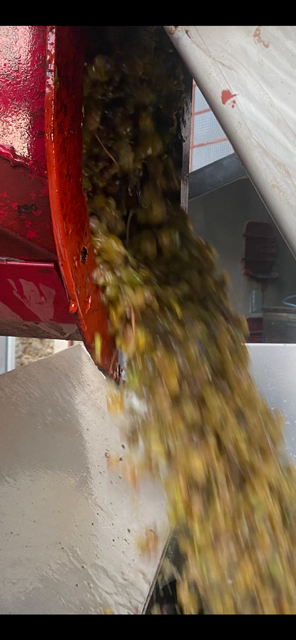
When the grapes are delivered, we must be careful. The press, stainless steel monster, gives the tempo.

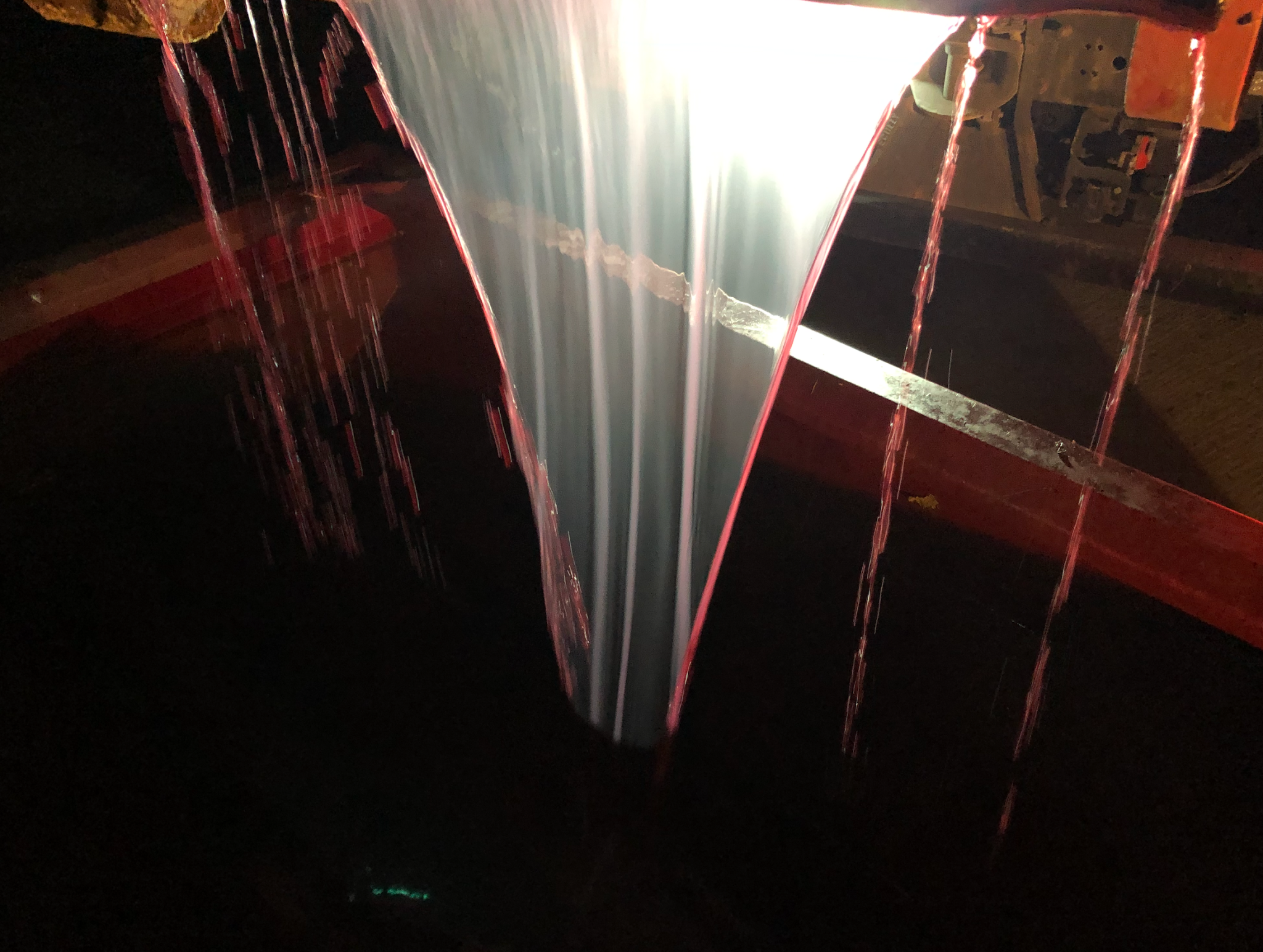
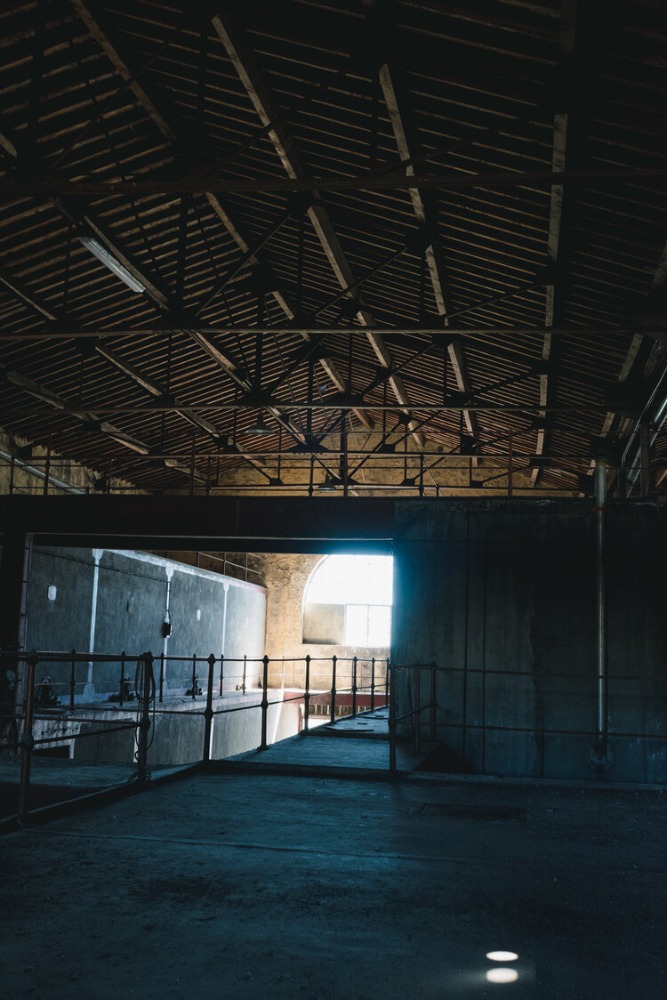
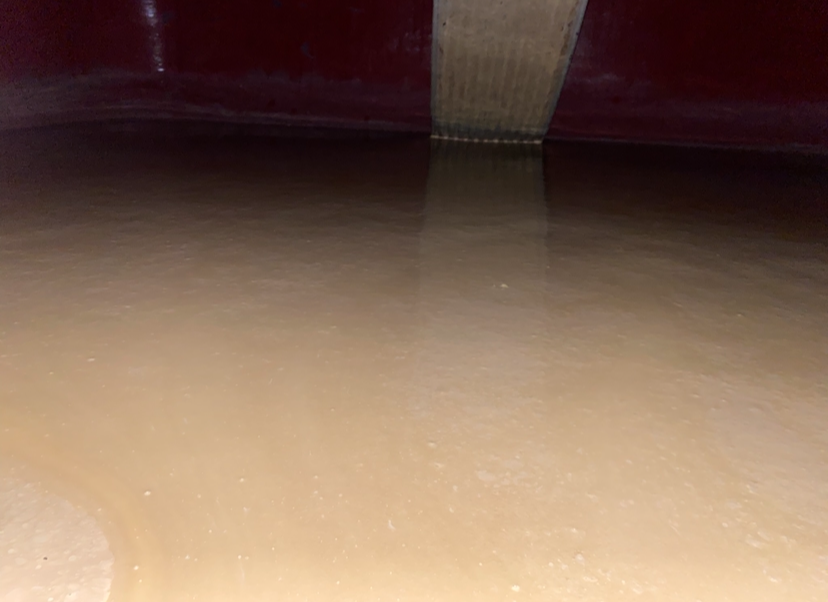
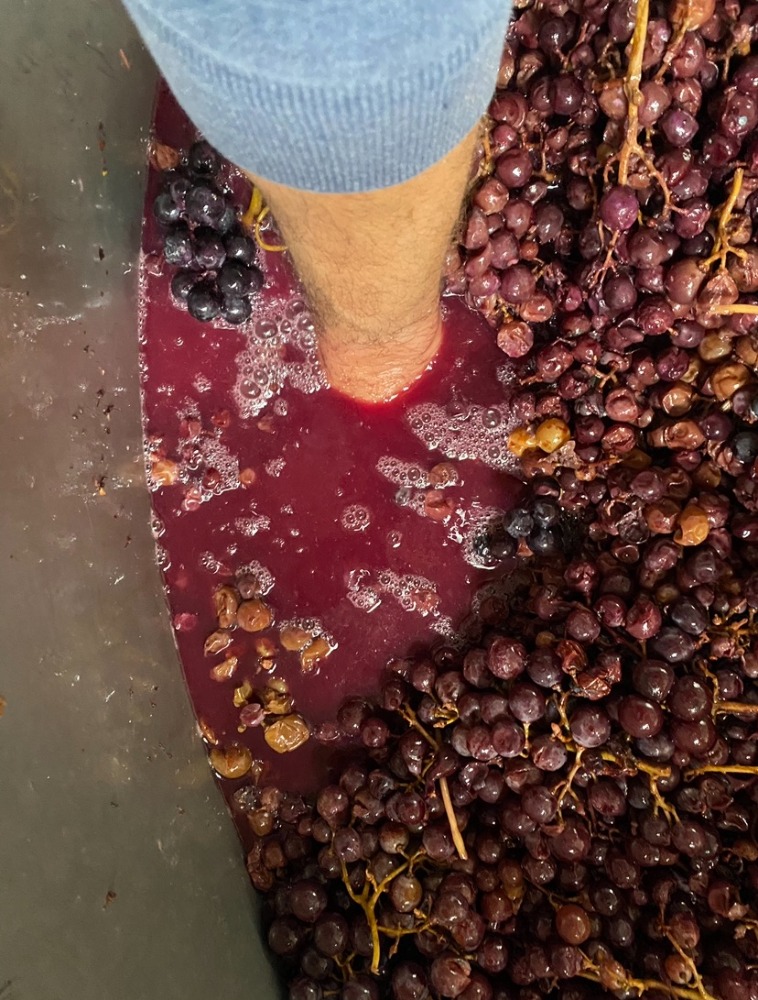
The juices of the whites and rosés (picked up at night) are immediately cooled down in order to be settled and then fermented, while the black grapes directly ferment in concrete tanks.

The temperature is strictly controlled throughout the fermentation process, so as not to damage aromas and keep all the freshness of the fruit.

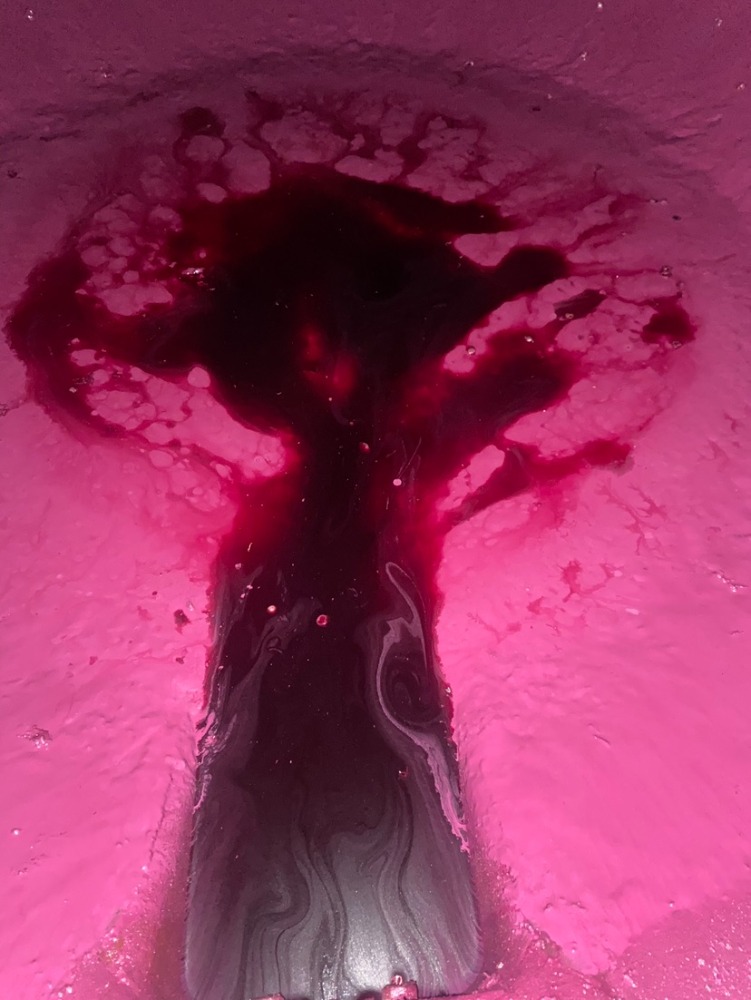
Red and orange wines, macerated with their skins, are devatted at the end of fermentation, in order to obtain the desired balance between color, tannins and aromas.

White wines are regularly racked, in order to get rid of the heaviest lees.
Ageing


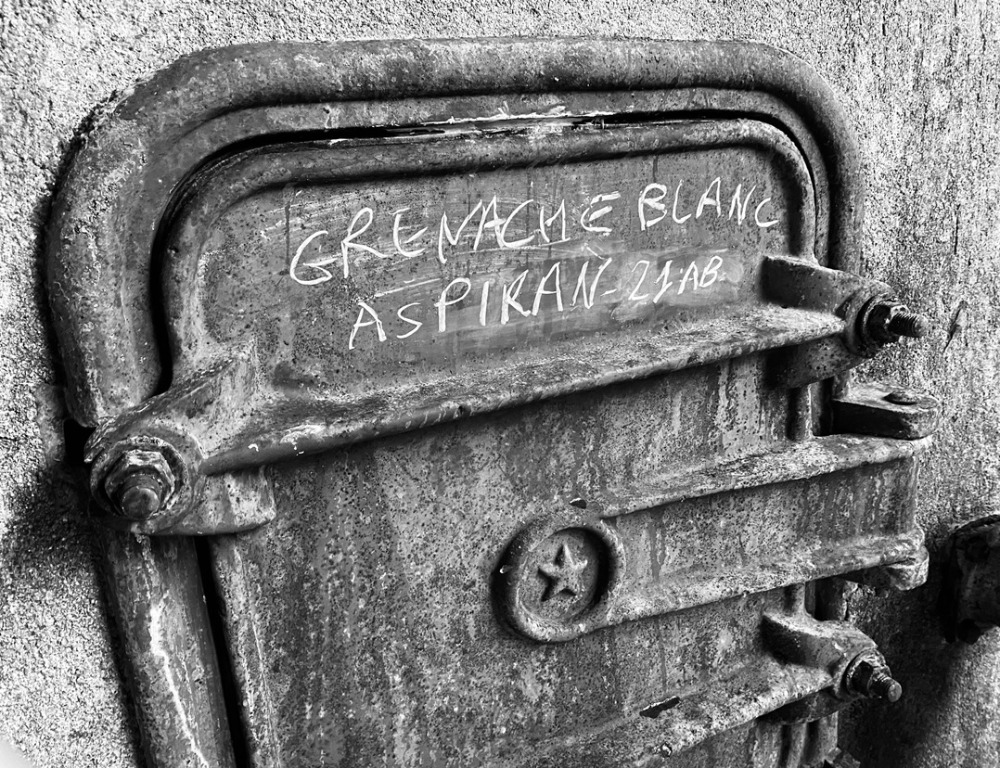
In concrete, stainless steel tank, or barrel, we age wines between 3 and 18 months. The goal of aging is to soften the wines in order to best prepare them to be assembled and bottled.

This step requires patience ... It is sometimes necessary to shift the bottling if the wine is not ready, because it evolves at its own pace according to its constitution and the objective that we want to achieve.

Bottling - packaging


In consultation with our bottling partners, we strive to protect our wines from oxidation as much as possible using neutral gases (nitrogen and CO2), which allow us to significantly reduce or even eliminate sulfites during bottling.
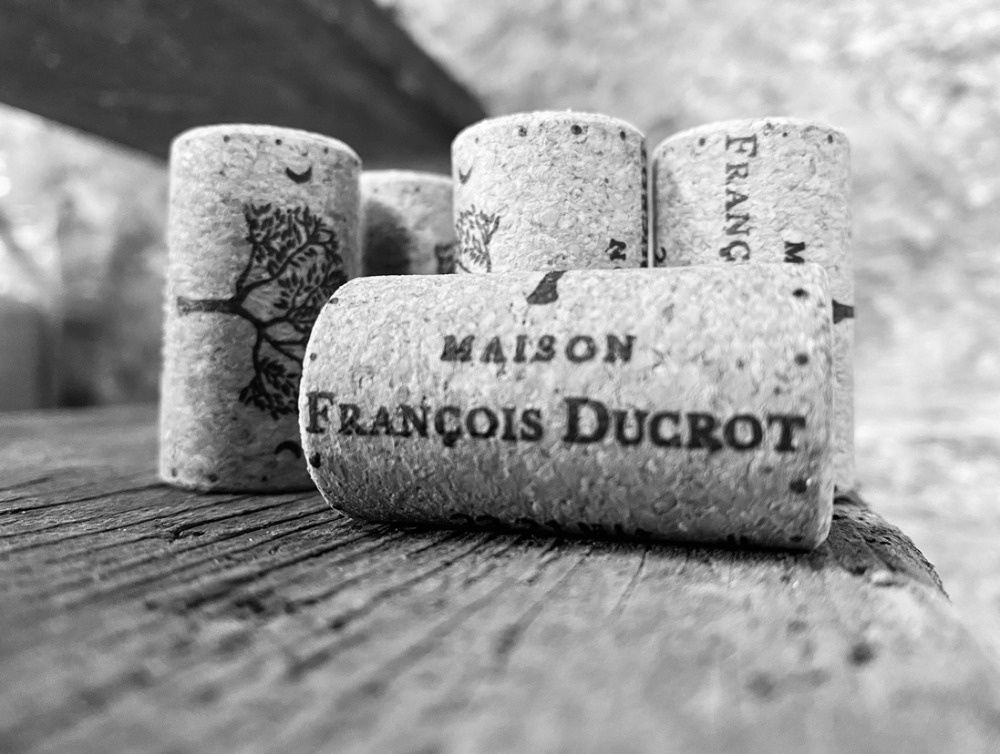
Bottling provides an opportunity for a final check of the wine before it is sealed in its bottle, from which it will only emerge to be enjoyed. It is therefore a highly technical step requiring meticulous attention.
Packaging is made using as many recyclable materials as possible: glass bottles and cardboard, in particular. We choose the lightest bottles available to minimize the carbon footprint of both production and transportation.

Our commitments

Biological viticulture
Minimum carbon footprint
Support biodiversity
Eco-responsible

They talk about us

"Excellent !!! slightly sweet, extremely fruity! A delight, I validate 200%"

Life in red - Gregory

"As soft as silk in the mouth, but becomes more interesting over the glass. Fresh with citrus, fishing notes and a slight funky touch."

Auguste - Timothy

"Beautiful notes of fishing and apricot. I love it!"

Life to full teeth - Gregorio

Contact

contact@maisonfrancoiscducrot.com

+33 6 62 61 08 13

Instagram